We design and characterize nucleic-acid-based materials for personalized medicine, DNA data storage, nanoengineering, and bioengineering — from DNA nanorobots that detect disease to scalable genomic memory.
Ph.D. & M.Sc. positions availableFour interconnected thrusts — one goal: programming matter with DNA.
Gene expression is a process that we call "parsing of life algorithm," in which information flows from a one-dimensional DNA code into a three-dimensional structural base-21 protein.

With information retention times from thousands to millions of years, volumetric density 10³ times greater than flash and energy of operation 10⁸ times less, NAM is an alternative to silicon-based memory.
We engineer CAGE — Chromatin Analogous Gene Expression — into a modular, programmable diagnostic system that regulates gene expression by tuning RNA polymerase activity for therapeutic means.

Bioinformatics provides tools to analyze biological "big data" — generation, storage, access, and interpretation — alongside computer-aided design and modeling of materials properties.
Recent highlights from the lab.

Huge congratulations to Dr. Muhammad Hassan Raza, who successfully defended his Ph.D. dissertation under Dr. Reza Zadegan on Thursday, October 15, 2026 at 11:00 AM.
“Multilayer Microfluidic Components for DNA Data Storage”
Abstract: DNA has emerged as an archival data storage medium offering high density, long-term durability, and low maintenance energy; however, addressable storage and retrieval of DNA files require automated, low-cost liquid handling. This dissertation uses stereolithography (SLA) 3D-printed masters as a cleanroom-free route to multilayer PDMS microfluidics with normally open, push-up valves. We establish geometry- and pressure-based design rules that distinguish sealing valves from open bridges and apply them to build programmable microfluidic components for DNA file management.
Read more →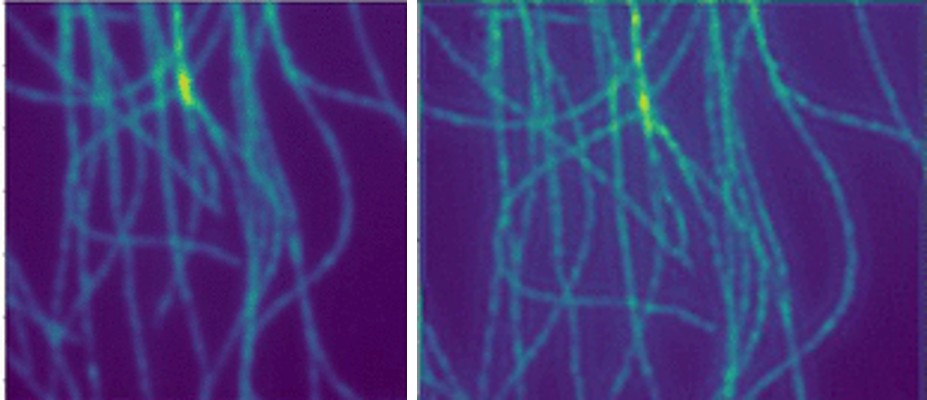
Huge congratulations to Mike Reed, who successfully defended his Ph.D. dissertation this summer (2026). Mike's dissertation spanned machine-learning-guided DNA fluorescence prediction, super-resolution microscopy, and explainable AI for single-stranded DNA — a decade-defining contribution to the lab's molecular information program. On to the next chapter!
Read more →
A record cycle for the lab: M. Nasiri and M. Bahadorani defended their dissertations in Fall 2025, and M. Reed completed the trilogy with his Summer 2026 defense. Three Ph.D. candidates through the finish line — congratulations to all three and their committees!
Read more →Programming via DNA. Skills Needed: coding, CRISPR technology, microfluidics, molecular & synthetic biology, and strong communication. Email your CV and a reference letter to [email protected] with the subject "Application to join Z-Lab".